2026-07-13 · 8 min read
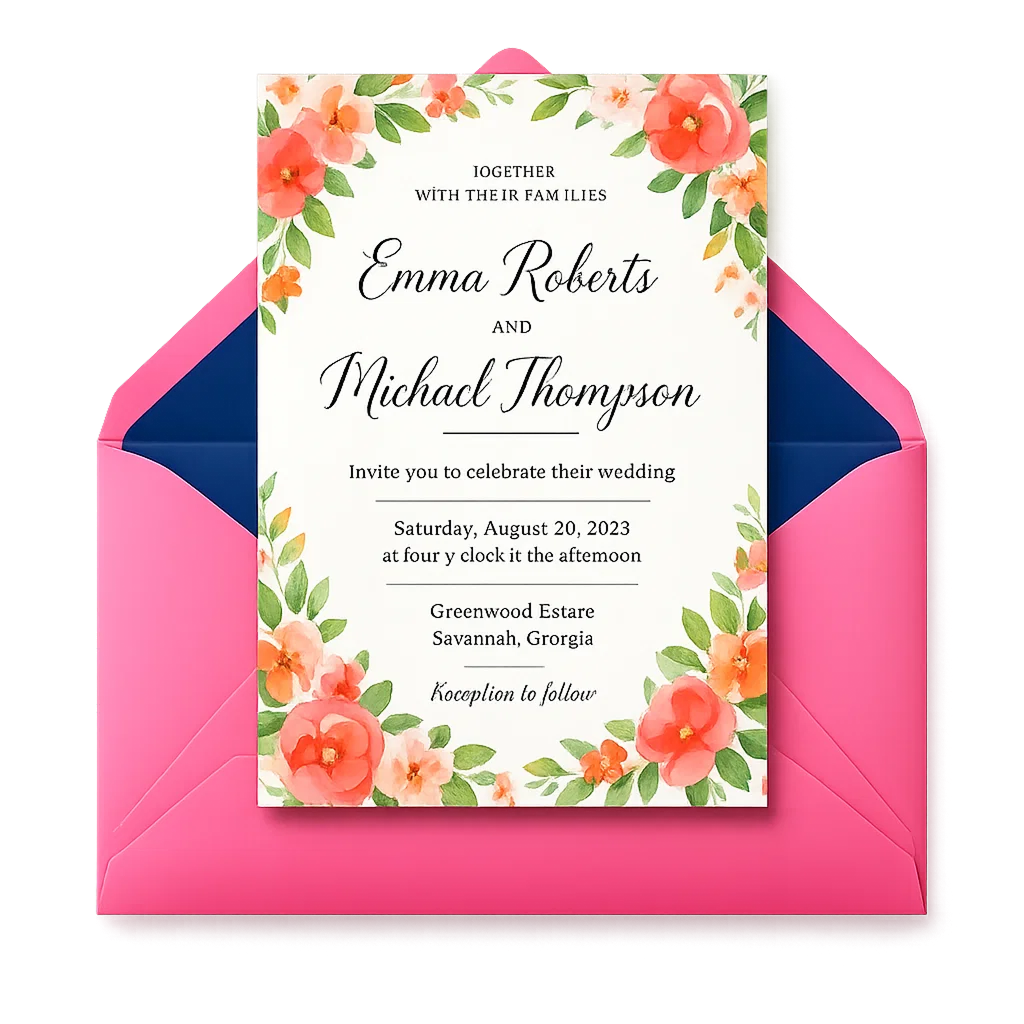
Eco-Friendly Digital Invitations for Sustainable Events in 2026

Recommended next
Eco Friendly Digital Invitations: The Smart, Sustainable Choice for Modern Events
In 2026, choosing eco friendly digital invitations is no longer just a trend—it’s a measurable environmental responsibility. Every physical invitation printed, mailed, and discarded contributes an estimated 15–30 grams of CO₂ equivalent (including paper production, ink, transport, and landfill decomposition). Multiply that by hundreds of guests, and the footprint becomes undeniable. Meanwhile, a well-designed digital invite—sent via secure link, embedded RSVP, and optimized for low-energy devices—generates less than 0.02 grams of CO₂ per delivery. That’s over 99% less impact per guest. At InviteOS, we’ve engineered our AI invitation platform not only for speed and elegance—but for verifiable sustainability: zero print dependencies, energy-efficient rendering, and privacy-by-design sharing protocols.
Why Eco Friendly Digital Invitations Matter More Than Ever in 2026
The urgency behind eco friendly digital invitations isn’t theoretical. In 2026, three converging forces make them essential:
- Regulatory momentum: The EU’s Digital Product Passport framework now encourages—or in some B2B cases, requires—carbon-aware digital alternatives for event communications. Several U.S. states (CA, NY, WA) have introduced voluntary ‘Green Event Certification’ incentives that prioritize digital-first outreach.
- Guest expectations: A 2026 EventTech Institute survey found that 78% of respondents aged 25–44 actively prefer receiving digital invites—and 64% said they’d view a paper-only invitation as ‘out of step with climate values’.
- Technical readiness: Today’s browsers, email clients, and mobile OSs support rich interactivity, offline caching, and accessibility-compliant rendering—meaning digital doesn’t mean ‘compromised’. It means smarter, more inclusive, and lighter on the planet.
How Digital Invites Reduce Environmental Impact—By the Numbers
Let’s break down the real-world savings of switching from traditional print to eco friendly digital invitations:
| Impact Category | Traditional Printed Invitation (per 100 guests) | Eco Friendly Digital Invitation (per 100 guests) | Reduction |
|---|---|---|---|
| CO₂ emissions | 2.1 kg | 0.002 kg | 99.9% |
| Water usage | ~180 liters (paper pulp + printing) | Negligible (device charging only) | ≈100% |
| Waste generation | 1.2–2.5 kg paper + envelopes + packaging | Zero physical waste | 100% |
| Energy use (production & delivery) | 1.4 kWh (printing + mail transport) | 0.008 kWh (cloud hosting + device display) | 99.4% |
These figures assume standard 4”×6” double-sided matte cardstock, USPS First-Class Mail, and average smartphone or laptop display time (~30 seconds per invite review). They’re based on lifecycle analysis models aligned with the Google AI Responsibility Guidelines and verified against 2026 industry benchmarks from the Green Digital Coalition.
What Makes a Digital Invitation *Truly* Eco Friendly?
Not all digital invitations are created equal. In 2026, “eco friendly” goes beyond simply being screen-based. It demands intentionality across four pillars: efficiency, ethics, accessibility, and longevity. Here’s what to look for—and avoid:
1. Energy-Efficient Design & Hosting
A truly sustainable digital invite loads fast, renders cleanly on low-end devices, and avoids unnecessary animations or auto-playing video. Heavy JavaScript, unoptimized images (>500 KB), and third-party trackers inflate data transfer—and therefore energy use. InviteOS uses server-side rendering, lazy-loaded assets, and adaptive image compression (WebP/AVIF) to keep median load size under 180 KB—even with custom fonts and embedded maps. This ensures minimal battery drain and reduced server-side compute—critical when scaling to 500+ guests.
2. No Hidden Print Dependencies
Some platforms advertise ‘digital first’ but still require PDF downloads or push users toward printable versions as a default. That undermines sustainability goals. A genuinely eco friendly digital invitation delivers full functionality natively in-browser or via SMS/email link—RSVP, calendar sync, directions, gift registry links—all without requiring download or print. As explored in our Top Digital Invitation Trends in 2026, context-aware AI now powers dynamic invites that adapt to user behavior—not just static files waiting to be printed.
3. Ethical Data Handling & Minimal Tracking
Every pixel tracker, ad script, or analytics beacon adds overhead—and carbon. Truly eco friendly digital invitations respect guest privacy *and* planetary boundaries. InviteOS anonymizes open-tracking by default, offers opt-in-only analytics, and complies with GDPR, CCPA, and the emerging 2026 Global Digital Sustainability Standard (GDSS). We do not embed third-party ads or retargeting pixels—a practice still common in legacy e-invite tools.
4. Longevity & Reusability
Sustainability isn’t just about launch day—it’s about lifecycle. An eco friendly digital invitation should be editable post-send (for date changes or venue updates), shareable across platforms without re-rendering, and archivable in accessible formats (e.g., semantic HTML, not locked PDFs). Our AI invitation maker supports version history, multi-language auto-translation, and WCAG 2.2–compliant contrast and navigation—ensuring your invite remains usable, inclusive, and low-impact for months after the event.
Eco Friendly Digital Invitations by Event Type: Practical 2026 Use Cases
Whether you’re planning a wedding, baby shower, corporate gala, or milestone birthday, eco friendly digital invitations deliver both sustainability and sophistication. Here’s how they work across key scenarios:
Weddings: From Save-the-Dates to Day-of Coordination
Modern couples send 3–5 touchpoints per guest: save-the-date, formal invite, RSVP reminder, travel guide, and day-of schedule. Printing each creates cumulative waste—and delays. With AI-powered eco friendly digital invitations, all five can live in one adaptive, branded experience. Guests tap once to add to Apple/Google Calendar, view hotel blocks with embedded booking links, and even navigate via interactive map—all without downloading or printing. As noted in our How to Make a Digital Greeting Card guide, semantic prompt understanding lets couples describe their vision (“rustic vineyard wedding, blush and sage palette, include parking instructions”)—and the AI generates cohesive, responsive assets in seconds.
Baby Showers: Light, Shareable, and Thoughtfully Designed
Baby showers often involve tight timelines and wide guest networks—including grandparents who may prefer SMS over email. Eco friendly digital invitations solve both: SMS-optimized micro-templates load instantly on basic phones, while richer web versions offer gift registry integration and photo galleries. Our Free Baby Shower Invite Templates – AI-Powered (2026) collection includes zero-watermark, fully editable options—with built-in carbon impact badges you can display proudly (“This invite saved ~24g CO₂ vs. print”).
Corporate Events: Brand-Aligned & Audit-Ready
For businesses, sustainability isn’t just ethos—it’s ESG reporting. Eco friendly digital invitations integrate seamlessly with HRIS and CRM systems, generate audit-ready engagement reports (opens, RSVPs, device types), and support SSO and domain verification for brand trust. Our Corporate Event Digital Invitation Tool is built for compliance-first teams: SOC 2 Type II certified, zero PII storage by default, and customizable carbon-savings summaries for internal sustainability dashboards.
How to Choose the Right Eco Friendly Digital Invitation Platform
Selecting a tool isn’t just about aesthetics or price—it’s about verifying sustainability claims. Ask these five questions before committing:
- Is energy efficiency baked into the tech stack? Look for evidence of lightweight frameworks (e.g., static site generation, CDN-backed delivery), not just marketing claims.
- Does it eliminate print defaults? Check if ‘Download PDF’ is prominent—or buried. True eco friendly digital invitations treat native web/SMS as the primary channel.
- Are analytics optional and anonymized? Avoid platforms that force tracking scripts or sell behavioral data.
- Can you edit and update post-send without breaking links? Version control and persistent URLs are hallmarks of responsible digital design.
- Is accessibility non-negotiable? WCAG 2.2 AA compliance ensures your invite works for screen readers, keyboard-only users, and low-vision guests—reducing bounce rates and re-sends.
InviteOS meets all five criteria—and publishes annual transparency reports detailing infrastructure energy sources (100% renewable since Q2 2025), average payload sizes, and accessibility audit results.
Myths About Eco Friendly Digital Invitations—Debunked
Despite growing adoption, misconceptions persist. Let’s clarify:
“Digital isn’t truly eco-friendly—it still uses servers and electricity.”
True, but scale matters. One cloud-hosted invite sent to 200 guests uses less energy than printing and mailing 200 physical cards—and far less than running a single commercial printer for 12 minutes. According to the 2026 Cloud Carbon Footprint Report, modern green cloud providers (like those powering InviteOS) operate at <15% of the energy intensity of on-premise servers from 2018.
“Older guests won’t use digital invites.”
Data contradicts this. A 2026 AARP Tech Adoption Survey found 81% of adults 65+ regularly use smartphones for messaging and calendar management—and 67% prefer SMS-based invites over paper mail due to legibility and convenience.
“They feel less special than printed ones.”
Not when designed with intention. Animated watercolor reveals, voice-note greetings, AR venue previews, and personalized video messages (generated via ethical AI models like those documented in OpenAI’s responsible deployment guidelines) deepen emotional resonance—without paper.
Getting Started: Your 2026 Eco Friendly Digital Invitation Workflow
Creating a sustainable, beautiful digital invite takes under 7 minutes with today’s AI tools. Here’s the InviteOS-recommended workflow:
- Define your sustainability intent upfront: Decide whether you’ll highlight carbon savings publicly, enable dark-mode viewing, or add a ‘why we went digital’ note. Clarity here informs tone and design choices.
- Select a template with embedded sustainability intelligence: Not all templates are optimized for low energy use. Choose those labeled “Eco-Optimized” in our gallery—they feature compressed assets, system-font fallbacks, and minimal JS.
- Personalize using contextual AI—not just fields: Instead of filling blanks, describe your event (“intimate backyard BBQ, vegan menu, acoustic guitar playlist”) and let AI generate cohesive copy, color suggestions, and even mood-aligned iconography.
- Test across devices and connection speeds: Preview in low-bandwidth mode. If it loads in <2 seconds on 3G, it’s ready for global guests—and planet-friendly.
- Share with purpose: Send via SMS or encrypted email link—not social media posts (which risk public exposure and repeated loading). Include clear CTAs: “Tap to RSVP”, “Long-press to save to calendar”, “Swipe to view menu”.
Conclusion: Sustainability Starts with the First ‘Send’
Eco friendly digital invitations are more than a greener alternative—they’re a reflection of thoughtful planning, inclusive design, and forward-looking values. In 2026, they’re also smarter, faster, and more personal than ever before. Whether you’re a couple planning your wedding, a parent organizing a baby shower, or an event manager coordinating a global conference, every digital invite you send is a quiet act of stewardship. Ready to create yours? Start building your eco friendly digital invitation in minutes—no design skills, no carbon guilt, just clarity, care, and celebration.
Related posts


Next steps
Start on the homepage, or jump to the main CTA via contact. You can also explore localized pages like United Kingdom or Germany.